Behind the Scenes of Chemical Consent Documentary Film
- Arun Fryer

- 1 day ago
- 3 min read
The world of documentary filmmaking is often shrouded in mystery, with many viewers unaware of the extensive work that goes into creating a compelling narrative. The Chemical Consent documentary film is no exception. This post takes you behind the scenes, exploring the creative process, challenges faced, and the impact of this important film.
The Concept and Vision
Every great documentary begins with a strong concept. For Chemical Consent, the vision was to shed light on the often-overlooked issues surrounding chemical exposure and consent in various industries. The filmmakers aimed to create a narrative that not only informs but also engages viewers emotionally.
Research and Development
The initial phase involved extensive research. The team delved into scientific studies, legal documents, and personal testimonies to understand the implications of chemical exposure. This groundwork was crucial in shaping the film's narrative and ensuring its accuracy.
Interviews with Experts: The filmmakers reached out to scientists, legal experts, and activists to gather diverse perspectives on the issue.
Field Research: Visits to affected communities provided firsthand accounts of the impact of chemical exposure, enriching the film's narrative.
Assembling the Team
Creating a documentary is a collaborative effort. The team behind Chemical Consent consisted of passionate individuals, each bringing unique skills to the table.
Key Roles in Production
Director: The visionary behind the project, responsible for the overall narrative and artistic direction.
Producer: Managed the logistics, budget, and scheduling, ensuring the project stayed on track.
Cinematographer: Captured the visual essence of the film, using techniques that enhanced the storytelling.
Editor: Wove together the footage, interviews, and voiceovers to create a cohesive narrative.
Building a Supportive Environment
The filmmakers fostered a collaborative atmosphere, encouraging open communication and creativity. Regular brainstorming sessions allowed team members to share ideas and refine the film's direction.
Filming Locations
Choosing the right locations was vital for the film's authenticity. The team traveled to various sites, including industrial areas, communities affected by chemical exposure, and expert laboratories.
Challenges Faced During Filming
Filming in real-world locations often comes with unexpected challenges:
Weather Conditions: Unpredictable weather sometimes delayed shoots, requiring flexibility in scheduling.
Access to Locations: Gaining permission to film in certain industrial sites proved difficult, necessitating persistence and negotiation skills.

The Interview Process
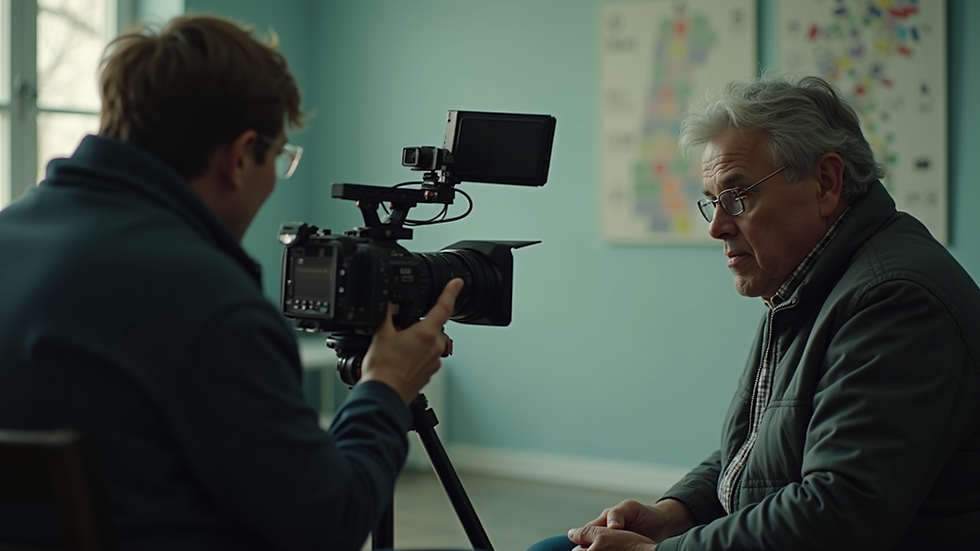
Interviews played a crucial role in conveying the film's message. The team approached this aspect with sensitivity and respect, understanding the emotional weight of the subject matter.
Selecting Interviewees
The filmmakers sought a diverse range of voices, including:
Survivors: Individuals who had experienced the effects of chemical exposure firsthand.
Advocates: Activists fighting for policy changes and greater awareness.
Experts: Scientists and legal professionals who could provide context and insight.
Conducting Interviews
The interview process was designed to be as comfortable as possible for participants. The team employed techniques such as:
Creating a Safe Space: Ensuring interviewees felt secure and respected during discussions.
Active Listening: Engaging with interviewees to draw out their stories and emotions.
Post-Production and Editing
Once filming was complete, the focus shifted to post-production. This phase is where the film truly comes to life.
Editing Process
The editing team worked diligently to piece together the footage, balancing emotional storytelling with factual information. Key aspects included:
Pacing: Ensuring the film maintained a rhythm that kept viewers engaged.
Sound Design: Incorporating music and sound effects to enhance the emotional impact of key scenes.
Feedback and Revisions
The filmmakers sought feedback from test audiences, using their insights to refine the film further. This iterative process was crucial in creating a polished final product.
The Impact of Chemical Consent
The release of Chemical Consent aimed to spark conversations about chemical exposure and the importance of informed consent. The filmmakers hoped to inspire viewers to take action and advocate for change.
Community Engagement
Following the film's release, the team organized community screenings and discussions. These events provided a platform for dialogue and education, allowing viewers to engage with the film's themes on a deeper level.
Advocacy and Policy Change
The documentary has already begun to influence discussions around chemical safety regulations. By highlighting personal stories and expert insights, Chemical Consent aims to push for stronger protections for workers and communities.
Conclusion
The journey of creating Chemical Consent was filled with challenges, creativity, and collaboration. The filmmakers' dedication to shedding light on the critical issue of chemical exposure and consent is evident in every frame. As viewers engage with this powerful documentary, they are encouraged to reflect on the importance of informed consent and advocate for change in their communities.
By sharing the behind-the-scenes process, we hope to inspire future filmmakers and raise awareness about the vital issues addressed in Chemical Consent. The film is not just a documentary; it is a call to action for all of us to be informed and involved in the conversation about chemical safety.

Comments